
This July marks 250 years since the Declaration of Independence was signed, and the country has spent the past year looking back at how far it’s come. It’s a fitting moment for a different kind of reflection too. How has business promotion changed since 1776, and what does that history teach us about building a digital marketing strategy today?
The tools have changed dramatically. Newspapers gave way to websites, storefront signs gave way to social media, and search engines now do a lot of the work door to door salesmen used to do. But the core question hasn’t moved. How do the right people find you, trust you, and choose you? That question is still the foundation of every effective digital marketing strategy, no matter how advanced the technology behind it gets.
Before Digital Marketing, Visibility Still Had To Be Earned
Long before impressions and click-through rates, business owners were already asking how to reach the right customers. Newspaper ads, printed flyers, storefront signage, and word of mouth were the original marketing channels. A shop’s reputation in the community often mattered more than any single ad.
None of that required a marketing plan in the way we think of one now, but it relied on many of the same marketing tactics businesses still lean on today, knowing your audience, showing up consistently, and giving people a reason to trust you over the business next door. That’s the same target audience thinking that shapes every strong digital marketing strategy today. The channels are new. The instinct to understand who you’re talking to isn’t.

The Internet Changed How Fast Attention Could Move
The first real shift toward modern digital marketing happened on October 27, 1994, when AT&T ran the internet’s first banner ad on HotWired.com. It was a simple ad with a simple question, “Have you ever clicked your mouse right here?” but it introduced something traditional media never could, the ability to measure exactly how many people saw an ad and how many acted on it.
That single ad opened the door to digital advertising as a measurable discipline. Businesses could finally test messaging, track results, and adjust in near real time instead of waiting weeks for a print run to play out. It’s a small moment that set up everything that followed, from paid search to social media marketing to the marketing analytics tools agencies rely on now.
Search Put Businesses In Front Of People Who Were Already Looking
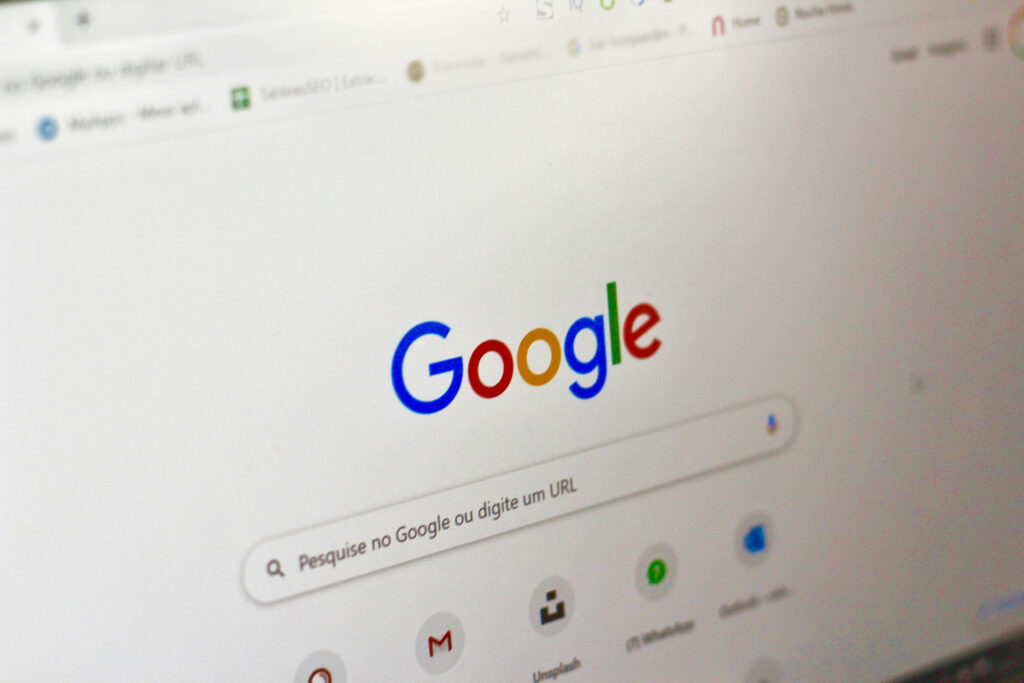
Six years later, Google introduced a different kind of advertising. On October 23, 2000, Google officially launched AdWords, a self-service advertising program that let businesses bid on keywords and show ads directly in search results. It launched with about 350 advertisers. Today, paid search is one of the most widely used forms of online advertising in the world, and organic search traffic is still one of the most durable assets a business can build.
Search introduced a concept that still drives strategy today, intent. Search engine optimization and Google Ads both work because they meet a potential customer at the exact moment they’re already looking for a solution. SEO earns that visibility organically over time, usually starting with solid keyword research and content that actually answers what people are searching for. Google Ads buys it immediately, which is why it’s often called pay per click advertising, since a business only pays when someone actually clicks. Neither works particularly well if the website behind it can’t hold up its end of the deal. A page that ranks, or a paid ad that earns the click, still has to generate leads and turn a visitor into a customer. That’s where a lot of businesses lose the value they just paid to earn.
Social Media Turned Brands Into Part Of The Conversation
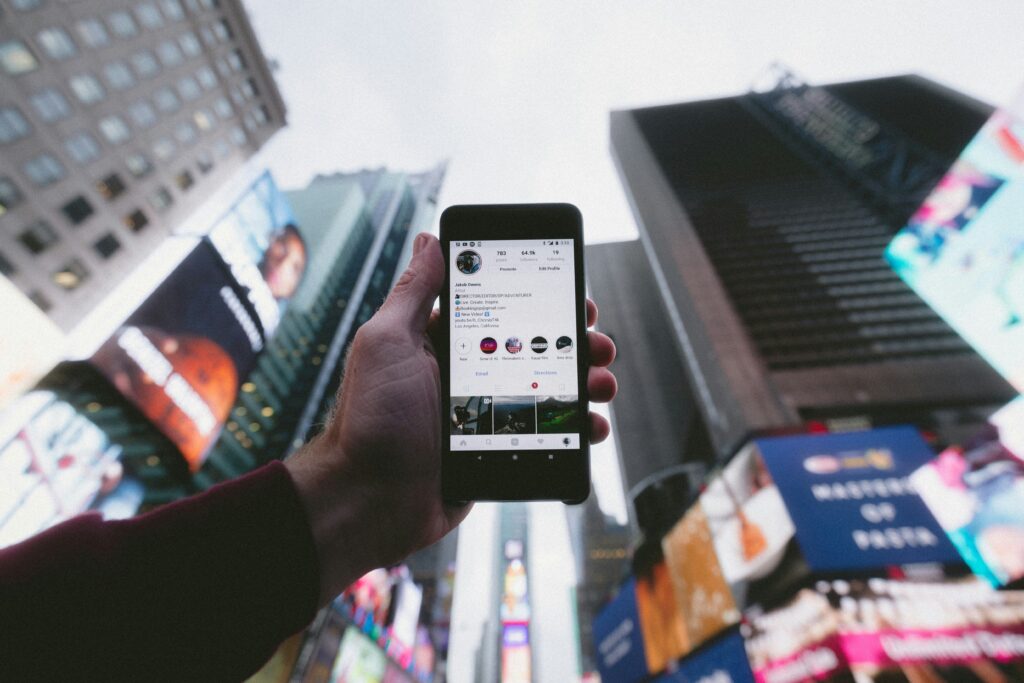
Facebook Ads officially launched on November 6, 2007, giving businesses a way to build a page and target advertising to specific audiences based on who their customers actually were. It was a meaningful shift. Marketing was no longer something a business only pushed out. It became something people could respond to, share, and comment on in real time.
Paid social advertising has only gotten more sophisticated since then, but the underlying skill hasn’t changed. It’s not enough to design an ad. Businesses have to understand how people actually scroll, pause, and decide, then build creative that feels like it belongs on that social media platform instead of interrupting it. That kind of customer engagement, replying, showing up, staying present, still separates an ad that gets ignored from one that gets a reaction.
AI Search Is Changing Discovery, Not The Fundamentals
The most recent shift is still unfolding. On May 14, 2024, Google rolled out AI Overviews to search users across the United States, generating AI-written summaries directly on the results page for many queries. It’s changed how a lot of people find information, and it’s changing how content needs to be written and structured to earn a mention.
It’s tempting to treat this as a total reset, but it isn’t. AI tools are pulling from the same signals search engines have valued for years, clear and well organized content, credible sources, and pages that actually answer the question being asked. A solid content marketing and content strategy foundation still matters just as much as it did before AI search showed up. Many marketers still rely on the same fundamentals that built their online visibility long before AI search existed. What’s changed is the format the answer appears in. What hasn’t changed is that businesses still need a real digital marketing strategy behind their content, not just a page built to satisfy an algorithm.

What 250 Years Of Marketing Teaches Growing Businesses
History aside, there are a few takeaways here for any business building or refining its marketing plan.
The Tools Change But The Buyer Doesn’t
Every era of marketing comes back to the same job, understanding a customer’s pain points, objections, and what actually earns their trust. Buyer personas and audience research aren’t a modern invention. They’re a more structured version of what shopkeepers were already doing a couple hundred years ago. The best ones today go a step further than basic demographics, paying attention to what someone actually values and how they shop, not just who they are on paper.
Set Clear Goals Before You Pick A Channel
A defined digital marketing strategy starts with the objective, not the platform. Whether the goal is leads, sales, or brand awareness, those business objectives should determine which digital marketing channels get the budget, not the other way around. Setting specific, measurable goals up front makes it much easier to know if a campaign actually worked instead of guessing based on vibes.
Speed Helps But Rushing Hurts
Digital tools make it possible to launch a campaign in a day. That doesn’t mean it should be rushed. The businesses that get the most out of their marketing efforts treat strategy as an ongoing process of testing and refining, not a one time launch.
Your Website Is Still Home Base
No matter which channel brings someone in, whether it’s organic search, a Google Ads campaign, or a social media post, the website usually decides whether that attention turns into a customer. A dated or confusing site, especially one that’s slow to load on mobile devices, can undo the results of an otherwise strong campaign.
Data Should Guide The Strategy, Not Replace It
Google Analytics and other marketing analytics tools give businesses more visibility into performance than any generation of marketers before them. But a dashboard only matters if someone is interpreting it and using it to make better decisions. Numbers without judgment are just numbers.
Good Marketing Requires Both Sides Showing Up
An agency can build the strategy, run the campaigns, and report on what’s working. But the business still has to follow up with leads, answer the phone, and deliver on what the marketing promised. The strongest results come from a real partnership, not a hand-off.
Building A Digital Marketing Strategy That Can Hold Up Over Time
Marketing will keep changing. AI search, automation, and whatever comes after it will keep reshaping the digital marketing channels available to businesses. What won’t change is the need for a successful digital marketing strategy built on clear goals, a real understanding of the target audience, and a willingness to combine data with actual human judgment. It’s worth remembering that a strong strategy still works alongside offline efforts too, the same kind of local relationships and referrals businesses have leaned on for 250 years.
That’s the approach JELY Marketing takes with every client. As a digital marketing agency in Miami working with businesses across the country, we build every strategy around SEO, Google Ads, paid social advertising, and website design that fits the business behind it and holds up as the tools keep changing. If you’re ready for a marketing partner that thinks this way, request a quote and let’s talk about where your strategy stands today.